Why is My QuickBooks Desktop Running Slow? Here’s How to Fix
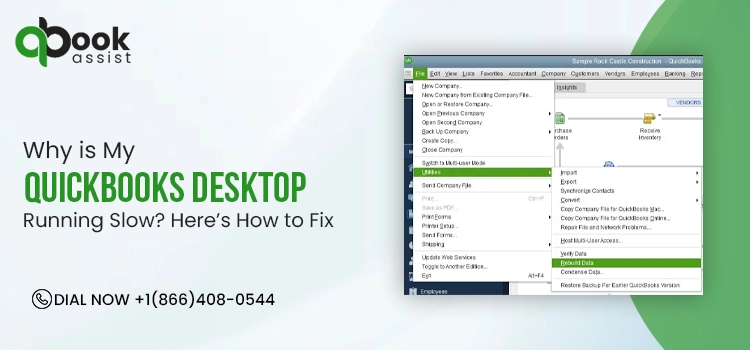
Are you continuously looking for “Why is My QuickBooks Desktop running slow?” If yes, then we have got you all covered. This issue is generally caused by multiple factors, including outdated software, large company file size, or damaged program files. Also, it may happen when your system doesn’t meet the basic system requirements to run the QuickBooks Desktop.
Consequently, the QuickBooks running slow issue may interrupt you from performing urgent business tasks. So, it’s essential to get rid of this issue asap using the troubleshooting methods explained ahead in this post.
Wondering why is my QuickBooks Desktop running slow? Call us at +1-866-408-0544, and our QB experts will provide you with a quick resolution for this query.
Why Is QuickBooks Desktop Suddenly so slow?
Below, we have described the reasons for the unexpected behaviour or performance issues with the QuickBooks Desktop.
- Running the unsupported version of QuickBooks Desktop.
- The computer doesn’t fulfil the basic system requirements to run QuickBooks.
- Another reason is damage or a missing QBWUSER.INI file.
- You may experience a QuickBooks issue that is very slow due to damaged program files or a QuickBooks Desktop installation.
- Damage or running the older Windows operating system.
- Also, it may be caused by a corrupted hard drive.
How to Fix QuickBooks Running Slow issues?
If you are continuously struggling with the QuickBooks Running slow issue, then use the following troubleshooting methods to fix the issue.
Solution 1: Update the QuickBooks Desktop
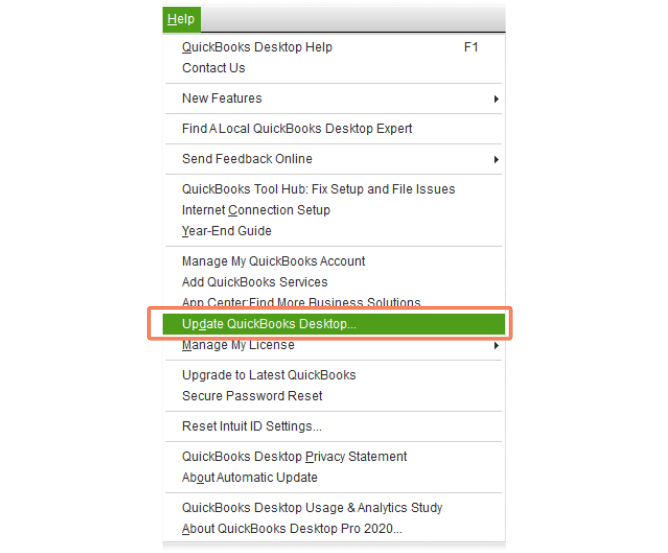
Users often struggle with the QuickBooks Desktop running slow Windows 11 while running the older QuickBooks version. So, to rectify the issue, you must update the QuickBooks Desktop to the latest version.
Solution 2: Review Your System Configuration
At times, users may experience that the QuickBooks application may take longer than usual to launch over the network. This situation generally appears when your system is unable to fulfil the basic system specifications to run QuickBooks. Therefore, it’s crucial to review the system requirements thoroughly.
- You must require a Core 2 Duo Intel Processor and 2.4GHz of storage space.
- 4 GB RAM and 5 gigabytes of free disk space are required for the installation.
- Screen size must be 1280 X 1024 to get a better view.
- U.S. version of Windows operating system 10, 8.1, or 7.
- The latest Google Chrome version is required to operate the QuickBooks Desktop.
Solution 3: Renaming the QBWUSER.INI File
A damaged or missing QBWUSER. Ini file is another major reason that triggers the QuickBooks Desktop running slow issue. So, to fix the issue, you must rename the file by performing these steps.
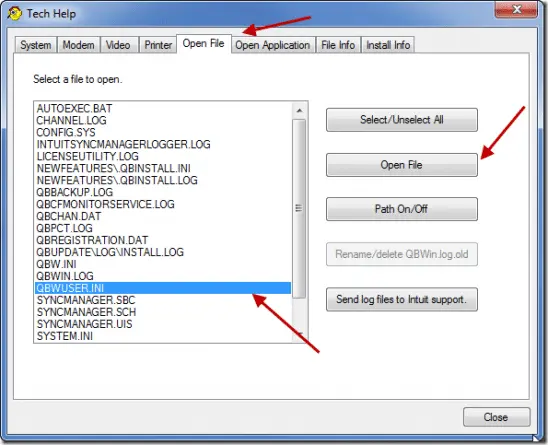
- Launch the QuickBooks folder that stores the QBWUSER.INI file. The location to find the file is “Users[Your user name]AppDataLocalIntuitQuickBooks [year].”
- After this, right-click the QBWUSER.INI file and hit the Rename option.
- Renaming the file by adding.OLD at the end of the file name.
- Now, you also have to rename the EntitlementDataStore.ecml file.
- Once again, open the QuickBooks Desktop application, and if you are able to access the program, try opening your sample company file. You can open it from a new location. If you are able to access the file, it means that the folder is either damaged or the folder permissions are incorrect.
- If you are unable to sign in to your file, it shows that your data file is damaged. All you require is to restore the earlier backup of that file.
- In case you can’t access the sample company file or QuickBooks won’t start, it indicates that the QuickBooks installation is damaged.
Solution 4: Operate the QuickBooks Install Diagnostic Tool
You must run the latest version of the QuickBooks Install Diagnostic tool to repair the damage or missing components in the installation of the QuickBooks software.
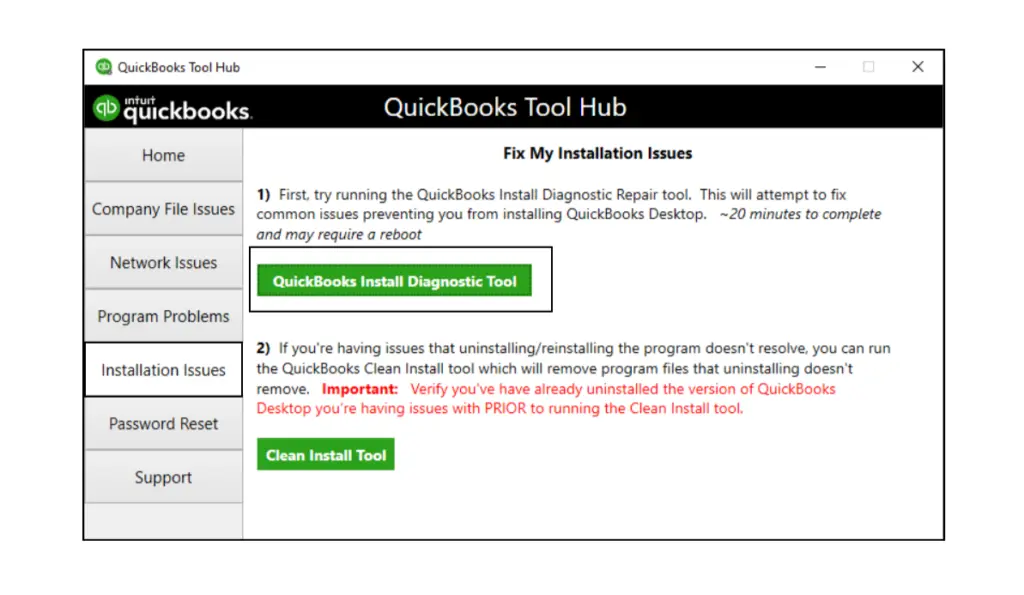
- Firstly, launch the QuickBooks Tool Hub by clicking on its respective icon.
- From the Tool Hub, browse to the Program Problems option.
- Click the QuickBooks Program Diagnostic Tool and allow the tool to operate.
- Once the tool finishes repairing, relaunch your PC and then open the QuickBooks application.
Solution 5: Run the Verify & Rebuild Data Utility Tool
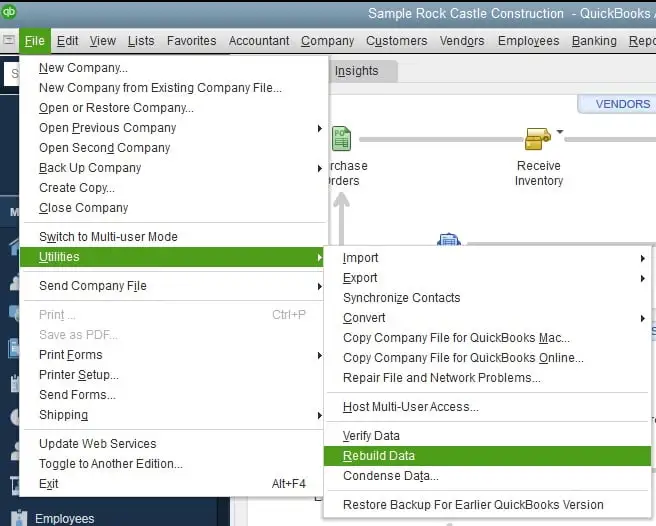
Any damage or corruption to the QuickBooks company file data may affect the performance of the QuickBooks application.
Verify Your Company data
- Initially, move to the window and click the Close All tab.
- Now, move to the File menu > Utilities option.
- Choose the Verify Data option.
Results
- “QuickBooks detected no problems with your data” It shows that your data is clean, and you don’t have to do anything else.
- An Error message: You have to browse for the specific error message on the QuickBooks Desktop support site to see the guidelines on how to fix it.
- Your data has lost integrity: The users may found the data damage in the company file. Move to rebuild your company file data to resolve the issue.
Rebuild Your Company Data
If the verify tool detects the data damage, run the rebuild data utility to configure your company file. You must require a backup of the company file before you rebuild.
- Move to the File > Utilities > Rebuild Data option.
- After this, QuickBooks will prompt you to generate a backup of the file before rebuilding it.
- Thereon, hit OK and pick the suitable location to save the file. Make sure not to replace it with another backup file.
- Now, provide a new name in the File name section and hit the Save option.
- At last, when you get the “Rebuild has completed” message, click OK.
Solution 6: Review the Company File Size
The users must verify that the size of the company file does not exceed what is actually required by QuickBooks. With the increase in the file size, your QuickBooks Desktop starts working slowly. Therefore, to troubleshoot the issue, check the file size by performing these steps.
- Move to the QuickBooks company file folder, right-click the file, and click the Properties tab.
- If you are using the QuickBooks Pro Edition and the file size exceeds 150 MB, run the Condense Data Utility. By running this tool, you can reduce the company file size.
- If you are an Enterprise User, make sure that the file size doesn’t exceed 1 GB.
- Now, to condense the company file, open the QuickBooks application and head to the File menu.
- Browse to the Condense Data tab below the Utilities tab.
- Tick-mark the checkbox of the “Keep all transactions, but remove audit trail info to date” option.
- Hit the Next tab unless you get the message stating “Your company file has been successfully condensed.”
- At last, hit the Close option and then run the QuickBooks application again. If your issue still continues, proceed to the next solution.
Solution 7: Test the UNC Path from the Server
If the above solutions don’t work, examine whether the UNC path on the server running QuickBooks is working properly. For that, you must use the following instructions:
- Press the Windows + E keys together and it will show the server name which is present below the network location field.
- Once you receive the server name, open it. Herein, you will also see the mapped drive in the following order, i.e., “X, Y, Z”.
- Also, ensure that your server name also includes two backslashes (/).
- After getting the server name, note it down in a safe place.
- Add the server name and shared folder name “\ ServerName \ SharedFolderName.” Then, you must note down the pathname.
- Open the QuickBooks application and hit the Open or Restore Company file.
- Choose your company file and complete the UNC Path in the required text field.
- Now, pick the suitable data file and open QuickBooks to review if the issue is resolved.
Solution 8: Perform the Disk Defragmentation Process to Rectify the Error
- Firstly, verify that your QuickBooks company file is placed on the desktop. This will open the path for restoring the company file.
- Now, try the disk defragmentation after creating the portable company file.
- Once done, tap on the Start option and move to the All Programs option.
- Choose the Accessories > System Tools and hit the Disk Defragmentation.
- At last, head to the Defragmentation tab and perform the instructions given on the screen to rectify the performance issues.
Solution 9: Review Your Internet Connection Speed
- To check the internet speed, launch the Chrome browser and insert Speed Test in the search console.
- Move to the Run Speed Test option and then wait for some time for the results to complete.
- Now, look at the results and see if the internet speed is at least 1.5 mbps. However, the suggested speed to operate the QuickBooks Online application is 3 mbps.
- After getting the required internet speed, run the QBO application to see if the issue is resolved.
Conclusion
Hopefully, by reading this post, you get to know why my QuickBooks Desktop is running slowly and the solutions to fix the issue. Thus, it will help you continue with your ongoing business operations smoothly. If you are still struggling, ensure that you are running the latest QuickBooks and Windows operating system.
For any additional help, connect with our Qbookassist professionals to get the best possible assistance within no time.
Frequently Asked Questions (FAQ’s):-
Question 1: Why does QuickBooks run slowly?
Ans. The QuickBooks Desktop may start running slowly, either if the company file size is too large or when numerous tasks are running in the background. However, this issue may also trigger when your computer doesn’t have enough RAM to run the QuickBooks software smoothly.
Question 2: Why is QuickBooks Desktop running slowly on all computers?
Ans. The QuickBooks Desktop starts running slowly on all computers due to an incorrect company file setup on the host computer.
Question 3: Why QuickBooks takes forever to open over network?
Ans. QuickBooks takes forever to open over the network due to numerous reasons, including outdated software, inability to meet the system requirements, corrupted files, or network issues.
Question 4: How to speed up QuickBooks Desktop?
Ans. To improve the performance of the QuickBooks Desktop, verify the system requirements, update the software, manage your files, and review your computer settings.
Question 5: How to reduce file size in QuickBooks?
Ans. You can reduce the file size in QuickBooks by running the Condense Data Utility. To run this tool, move to the File menu > Utilities > Condense Data. Thereon, pick whether you wish to condense data while keeping all transactions or wish to delete specific transactions.
Question 6: What should be the QuickBooks maximum company file size?
Ans. The maximum company file size for QuickBooks depends on its version. For the Pro & Premier Edition, 250 MB is suggested, and up to 1.5 GB for the Enterprise users.

Recent Posts
How to Fix QuickBooks Won't Open on Windows 10? Easy Solutions
Read MoreWhat are the Benefits, Features and Price of QuickBooks for Payroll Online
Read MoreHow can I Resolve QuickBooks Black and White Screen Issue? Easy Solutions
Read MoreHow to Get in Touch with QuickBooks Live Bookkeepers? Easy Guide
Read MoreHow To Fix QuickBooks Multi-User Mode Problems: H202?
Read More